
Introduction
The medieval serf haircut was a simple haircut worn by peasants in the Middle Ages. During medieval times, people lived very different lives compared to today. Social class was very important, and even haircuts showed whether a person was rich or poor. Nobles had stylish hair, while peasants had simple and practical haircuts. The medieval serf haircut was not about fashion or beauty. Instead, it was about work, cleanliness, and simple living.
Most serfs worked on farms and in villages. Because of this, they needed hair that was easy to manage. Long hair could get dirty and messy during work. Therefore, short hair was more useful. The medieval serf haircut became common among workers and farmers across Europe. Even though the haircut was simple, it is now popular in history discussions and medieval fashion topics.
History of Medieval Serf Haircut
The medieval serf haircut started during the Middle Ages when most people were farmers and workers. At that time, society was divided into classes like nobles, knights, priests, and peasants. Serfs were poor workers who worked on land owned by nobles. Their life was hard, so they did not focus on fashion or hairstyles.
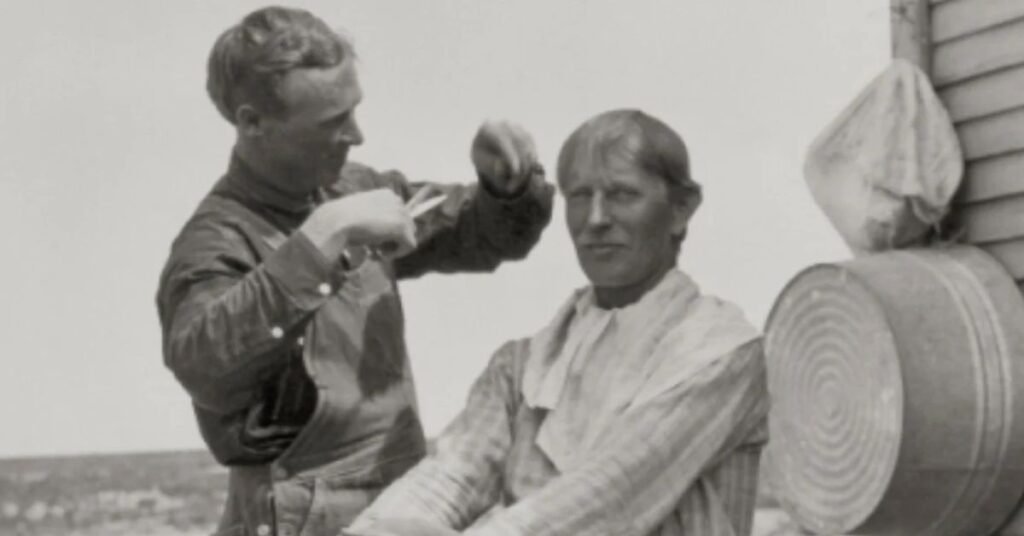
In medieval villages, people usually cut hair at home. Family members cut each other’s hair using simple scissors or knives. Because of this, haircuts looked rough and uneven. However, the goal was not style. The goal was to keep hair short and clean. Short hair helped during farm work and daily labor.
In addition, medieval people often covered their hair with caps or hoods. Since hair was covered most of the time, people did not care much about hairstyle. As a result, the medieval serf hair style simple for many centuries. This haircut became a symbol of the working class in medieval society.
What Did a Medieval Serf Haircut Look Like
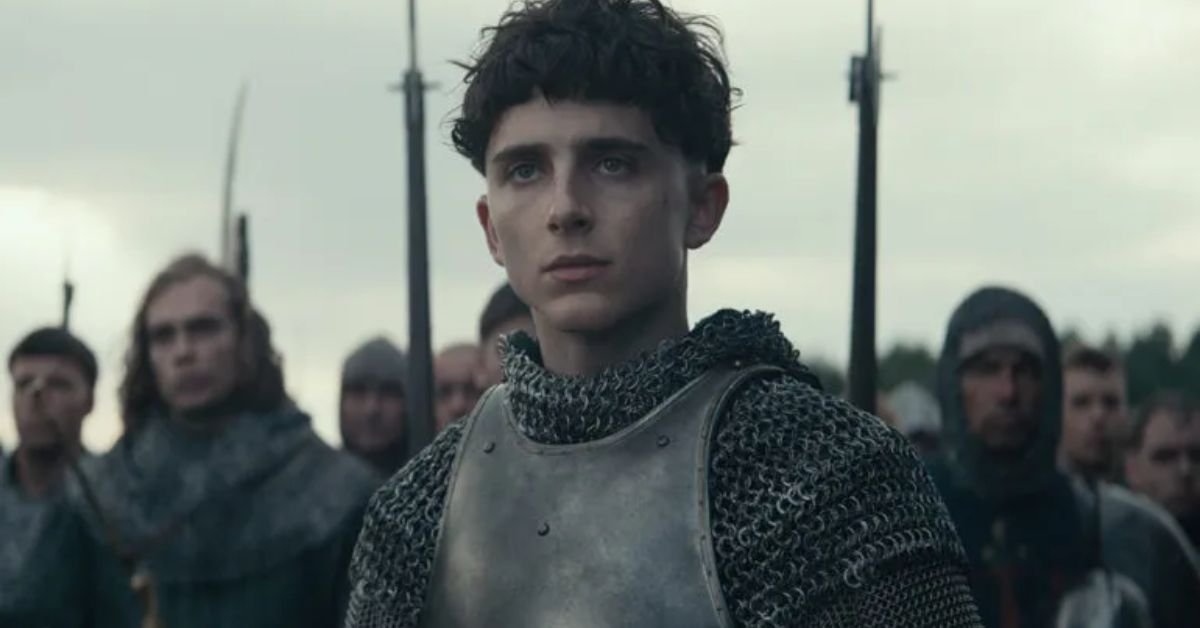
The medieval serf haircut was usually short around the head with a straight fringe in the front. The haircut often looked like a bowl cut or short crop haircut. Hair was cut evenly around the head because it was easy to cut that way. Most people did not visit professional barbers, so haircuts were simple and practical.
In medieval drawings and paintings, peasant men often appear with round shaped haircuts. The hair length was usually above the ears and above the neck. Sometimes the top was slightly longer, but overall the haircut stayed short. The haircut looked natural and not styled.
Another important thing is that hair products did not exist at that time. People did not use gel or spray. Therefore, hair looked natural and sometimes messy. The medieval serf hairstyle was never sharp or perfectly styled. Instead, it looked soft, natural, and simple.
Today, many people compare this haircut to the modern bowl cut or textured crop. Even though the haircut is very old, its shape still exists in modern hairstyles.
Why Medieval Serfs Had Short Hair
There were many reasons why the medieval serf haircut was short. First of all, serfs worked in farms, fields, and with animals. Long hair could get dirty very quickly. It could also get stuck in tools or machinery used for farming. Therefore, short hair was safer and easier to manage.
Another reason was hygiene. In medieval times, lice were very common. Short hair made it easier to clean the hair and reduce lice problems. People did not have modern shampoo, so shorter hair was more practical. Cleanliness was important even for poor people, so short hair helped them stay cleaner.
Religion also influenced hairstyles. The church encouraged simple living and modest appearance. Fancy hairstyles were often seen as pride. Because of this, poor people usually kept simple hairstyles. The medieval serf haircut matched the simple lifestyle of peasants.
Weather was another reason. People wore hats, hoods, and caps most of the time. Short hair fit better under these head coverings. So, the medieval serf haircut was practical for many reasons.
Difference Between Serf Haircut and Noble Haircut
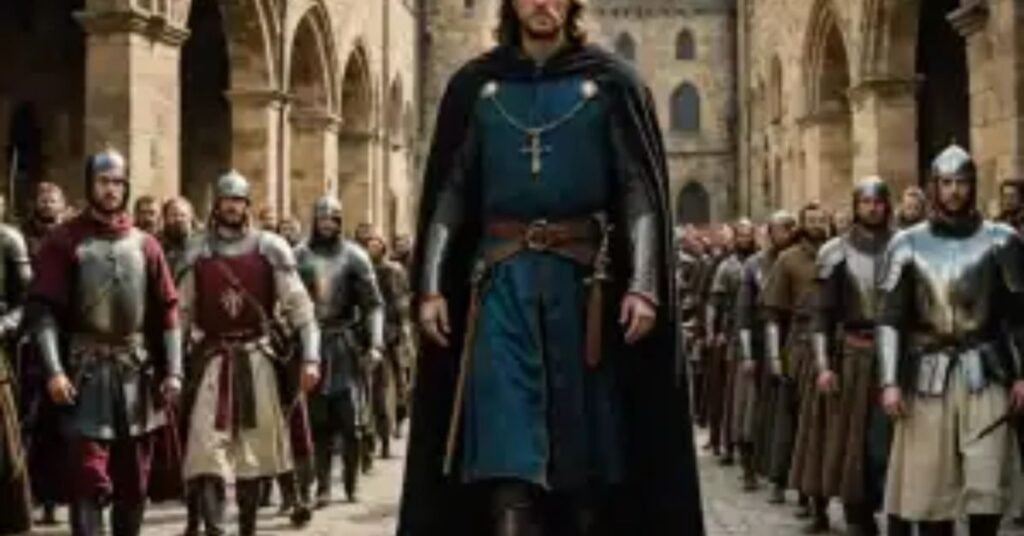
The medieval serf haircut was very different from noble hairstyles. In medieval society, hair showed social status very clearly. Rich people spent time styling their hair, while poor people kept their hair simple.
Noble men often had longer hair that was styled and shaped. They used oils and combs to keep hair smooth. Noble women had braids, buns, and decorated hairstyles. They also used ribbons, hairnets, and jewelry. On the other hand, serfs did not have time or money for styling hair.
Serf men usually had short hair with no styling. Serf women also kept hair simple and often covered it with cloth or veils. Hair was more about function than fashion for peasants.
Comparison Table
| Feature | Medieval Serf Haircut | Noble Haircut |
|---|---|---|
| Hair Length | Short | Medium or Long |
| Styling | Natural | Styled |
| Accessories | None | Ribbons and Jewelry |
| Purpose | Work and Hygiene | Fashion and Status |
| Maintenance | Low | High |
This comparison shows that haircuts were different based on social class.
Medieval Serf Haircut in Modern Fashion
Today, the medieval serf haircut is sometimes seen in modern fashion and hairstyles. Many modern haircuts look similar to medieval peasant haircuts. For example, bowl cuts, short crops, and messy fringe haircuts look similar to medieval hairstyles.
Many movies and TV shows about medieval times show peasants with bowl cut hairstyles. Because of this, people often call bowl cuts medieval haircuts. Social media has also made this haircut popular again. Some people like simple and natural hairstyles, so they choose haircuts similar to medieval styles.
Modern barbers sometimes create textured crop haircuts that look like medieval serf haircuts but with a modern touch. The haircut may look old, but it still works today. Simple hairstyles never go out of fashion because they are easy to manage and look natural.
How to Get a Medieval Serf Haircut Today
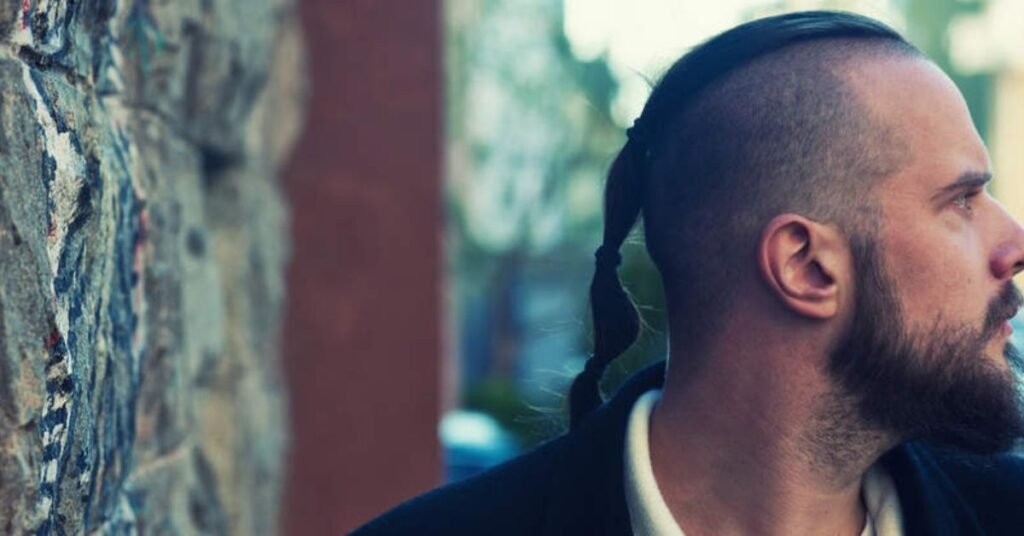
If someone wants a medieval serf haircut today, the haircut is very easy to get. Hair should be short on the sides and back but not faded like modern styles. The top should be short with a straight fringe in the front. Hair should look natural and slightly messy.
Do not use too much hair product because medieval hairstyles looked natural. The haircut should not look sharp like a modern fade haircut. Instead, it should look soft and simple. The overall shape should look round or slightly bowl shaped.
This haircut is good for people who want a low maintenance haircut. It is easy to manage and does not require much styling. That is why many people still choose simple short haircuts today.
Conclusion
The medieval serf haircut was a simple and practical haircut worn by peasants in the Middle Ages. It was not a fashion haircut but a haircut for work and daily life. Serfs kept short hair because it was easy to manage, cleaner, and safer during farm work. Their haircuts were usually cut at home, so they looked rough and natural.
Haircuts in medieval times also showed social class. Nobles had stylish and longer hair, while serfs had short and simple haircuts. Even today, many modern hairstyles look similar to medieval serf haircuts. Bowl cuts and short crop haircuts are good examples.
The medieval serf haircut is an important part of history. It shows how people lived and worked in medieval times. Even though the haircut is very old, its simple style still exists today.
FAQs
What is a medieval serf haircut?
A medieval serf haircut is a simple short haircut worn by peasants in the Middle Ages. It was easy to manage and practical for farm work.
Why did medieval serfs have short hair?
Medieval serfs had short hair for hygiene, safety, and easy maintenance during farm work and daily labor.
Was the medieval serf haircut a bowl cut?
The medieval serf haircut often looked like a bowl cut because hair was cut evenly around the head.
Did nobles have the same haircut as serfs?
No, nobles had longer and styled hair, while serfs had short and simple haircuts.
Is medieval serf haircut still popular today?
Yes, some modern hairstyles like bowl cut and textured crop look similar to medieval serf haircuts.