

Introduction
Learning to style hair can feel overwhelming at first. However, hairdressing diagrams make the process easier to understand. These visual guides show how to cut, section, and style hair effectively. By following diagrams, learners can reduce mistakes and gain confidence in their skills. Additionally, diagrams explain angles, shapes, and movement that words alone cannot describe.
Hairdressing diagrams are useful for beginners, students, and even experienced professionals. They provide a clear visual reference for every step. Consequently, learning becomes faster, and mistakes are minimized. Over time, diagrams help learners develop precision and creativity in hairstyling.
Furthermore, hairdressing diagrams are widely used in salons, training schools, and online tutorials. They show where to part hair, how to layer it, and the direction to cut. With proper guidance, anyone can follow these diagrams to achieve neat and professional results.
Understanding Hairdressing Diagram for Beginners
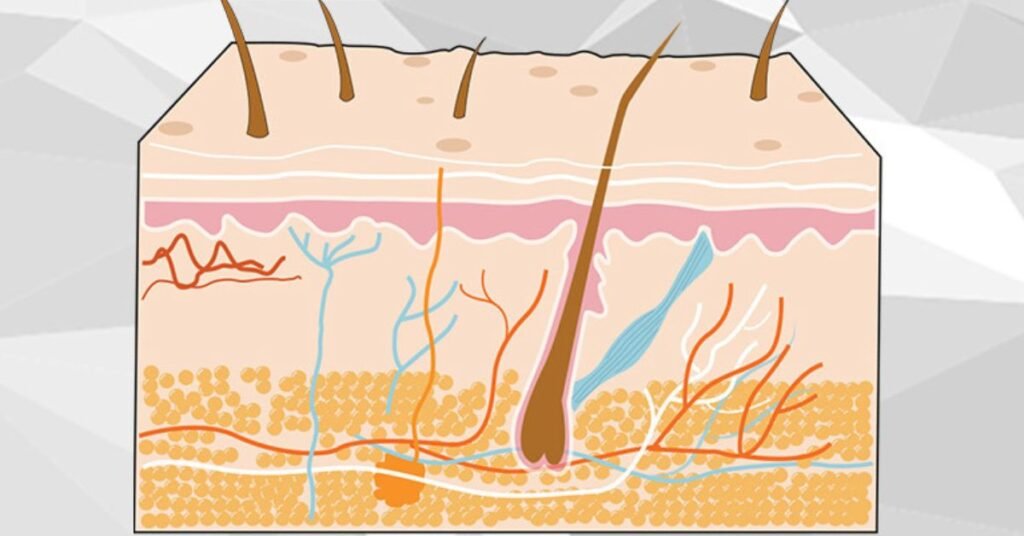
Hairdressing diagram simplify complex ideas into easy visuals. Beginners often struggle with angles, layers, and sections. Therefore, diagrams provide a clear roadmap for every hairstyle. Most diagrams begin with a head outline, which is then divided into sections. Each section shows where to cut or style hair.
Arrows often indicate the direction of hair movement. Lines can show cutting guides, while dashed lines indicate softer, blended areas. As a result, learners know exactly where to focus and what steps to follow.
In addition, diagrams improve memory and understanding. Visual learning helps retain information longer than text-only instructions. When learners follow diagrams, they gain confidence faster and avoid unnecessary mistakes. Over time, practice with diagrams develops both speed and accuracy in hairstyling.
Why Hairdressing Diagrams Are Essential Today
Modern hairstyling emphasizes precision and creativity. Therefore, hairdressing diagram have become essential learning tools. They allow stylists to plan haircuts before starting, which improves results and saves time. Moreover, diagrams help stylists explain styles to clients. Clear visuals reduce confusion and ensure everyone understands the process.
These diagrams also support professional training. Students learn standardized methods using diagrams, which ensures consistency. Consequently, salons maintain quality and professionalism.
Additionally, diagrams are flexible. Stylists can adapt them for different hair types and modern trends. By understanding diagrams, learners gain both technical knowledge and creative freedom.
Types of Hairdressing Diagrams and Their Uses
Hairdressing diagrams vary depending on their purpose. Cutting diagrams show sectioning, angles, and lines for precise haircuts. Styling diagrams focus on blow-drying, curling, or straightening techniques. Coloring diagrams illustrate how to apply highlights or balayage effectively.
| Hairdressing Diagram | Purpose |
|---|---|
| Cutting diagrams | Show sections and cutting guides |
| Styling diagrams | Demonstrate hair movement and flow |
| Coloring diagrams | Guide precise color placement |
| Head shape diagrams | Show balance and proportions |
Understanding these types allows learners to select the right diagram for each task. Combining multiple diagrams often leads to a complete understanding of a hairstyle.
How Diagrams Improve Learning Skills
Learning hairdressing requires patience, practice, and clear guidance. Hairdressing diagrams make the process simpler and more structured. By visualizing steps, learners avoid confusion and mistakes. This structured learning boosts confidence.
Furthermore, diagrams help learners understand professional terms. Words like “layers,” “elevation,” and “graduation” become easier when paired with visuals. As a result, students can follow instructions more accurately and communicate better with trainers.
In addition, diagrams support skill retention. Visual memory helps learners recall steps quickly. Over time, this improves speed, accuracy, and creativity in haircuts and styles.
Using Hairdressing Diagrams at Home
Many people use hairdressing diagrams outside salons. They are helpful for home haircuts, trims, and styling. Diagrams show exactly where to cut and how to shape hair. This reduces the risk of mistakes at home.
Parents often rely on diagrams when cutting children’s hair. Clear visual instructions help them work safely and efficiently. Online tutorials also include diagrams to guide viewers step by step. Consequently, home hairstyling becomes easier, safer, and more accurate.
Hairdressing Diagrams in Professional Training
Professional hair schools use diagrams extensively. Students learn sectioning, angles, and hair movement using visual guides. These diagrams ensure consistent training across all students.
Trainers also use diagrams for assessment. By comparing student work to diagrams, feedback becomes clear and constructive. Advanced courses rely on diagrams to explain complex hairstyles. Breaking down complicated styles into simple steps allows students to learn efficiently and creatively.
Common Symbols in Hairdressing Diagrams
Hairdressing diagrams use universal symbols for easy understanding. Lines, arrows, and sections explain cutting and styling actions clearly. Solid lines show strong cuts, while dashed lines indicate blending. Arrows guide hair direction, and sections divide the head for control.
| Symbol | Meaning |
|---|---|
| Solid line | Cutting guide |
| Arrow | Direction of hair movement |
| Dashed line | Soft blend |
| Section | Hair division area |
Learning these symbols ensures diagrams are easy to follow and effective in teaching techniques.
How Diagrams Support Creativity
Creativity in hairstyling requires a strong foundation. Hairdressing diagrams provide structure while allowing experimentation. Stylists often modify diagrams for custom looks. They can adjust layers, angles, and lengths safely.
Additionally, studying diagrams inspires new ideas. Seeing different techniques visually encourages innovation. Beginners also benefit by experimenting safely and learning from results. Therefore, diagrams foster both skill and creativity in hairstyling.
Digital Hairdressing Diagrams in Online Learning
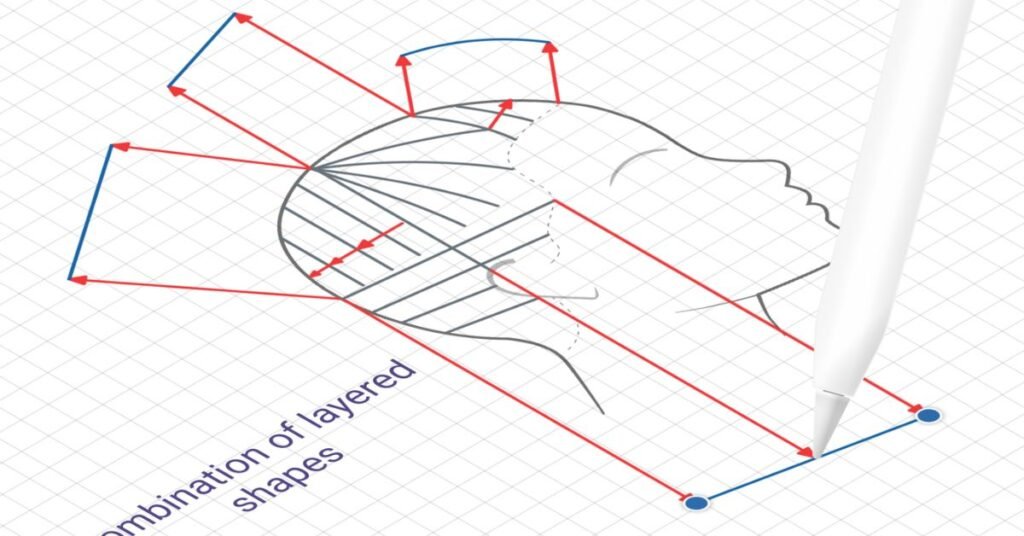
Digital diagrams have transformed hairstyling education. Interactive diagrams allow zooming, rotating, and detailed observation. Video tutorials often include diagrams for easy understanding.
Online platforms provide printable diagrams for offline practice. Learners can study anytime, anywhere. Digital diagrams also adapt to trends quickly, keeping learners updated with modern styles.
These digital resources improve engagement, understanding, and skill retention. They are particularly useful for beginners and home learners who prefer visual instruction.
Hairdressing Diagrams and Google EEAT Value
Diagrams support expertise, authority, and trustworthiness. They provide practical, easy-to-follow guidance. By including diagrams, content becomes credible and useful.
Well-structured diagrams enhance user experience, which aligns with Google EEAT standards. Clear instruction, accurate visuals, and helpful tips show experience and build trust. As a result, diagrams improve learning and online credibility simultaneously.
FAQs About Hairdressing Diagrams
What are hairdressing diagrams used for?
Hairdressing diagrams are visual guides that explain hair cutting, sectioning, and styling techniques clearly.
Can beginners use hairdressing diagrams?
Yes, beginners benefit greatly as diagrams reduce mistakes and simplify learning.
Are hairdressing diagrams useful at home?
Absolutely. They help home users trim and style hair safely and effectively.
Do professionals still use hairdressing diagrams?
Yes, professionals use them for planning, training, and learning new styles.
Where can I find hairdressing diagrams?
Educational websites, online courses, and tutorial platforms provide printable and digital diagrams.
Conclusion
Hairdressing diagrams make hairstyling simple, clear, and accessible for everyone. They guide beginners, support professionals, and help home users achieve accurate results. By combining structure and creativity, these diagrams improve learning, confidence, and skill. Whether in a salon or at home, hairdressing diagrams remain an essential tool for anyone interested in hair styling.